
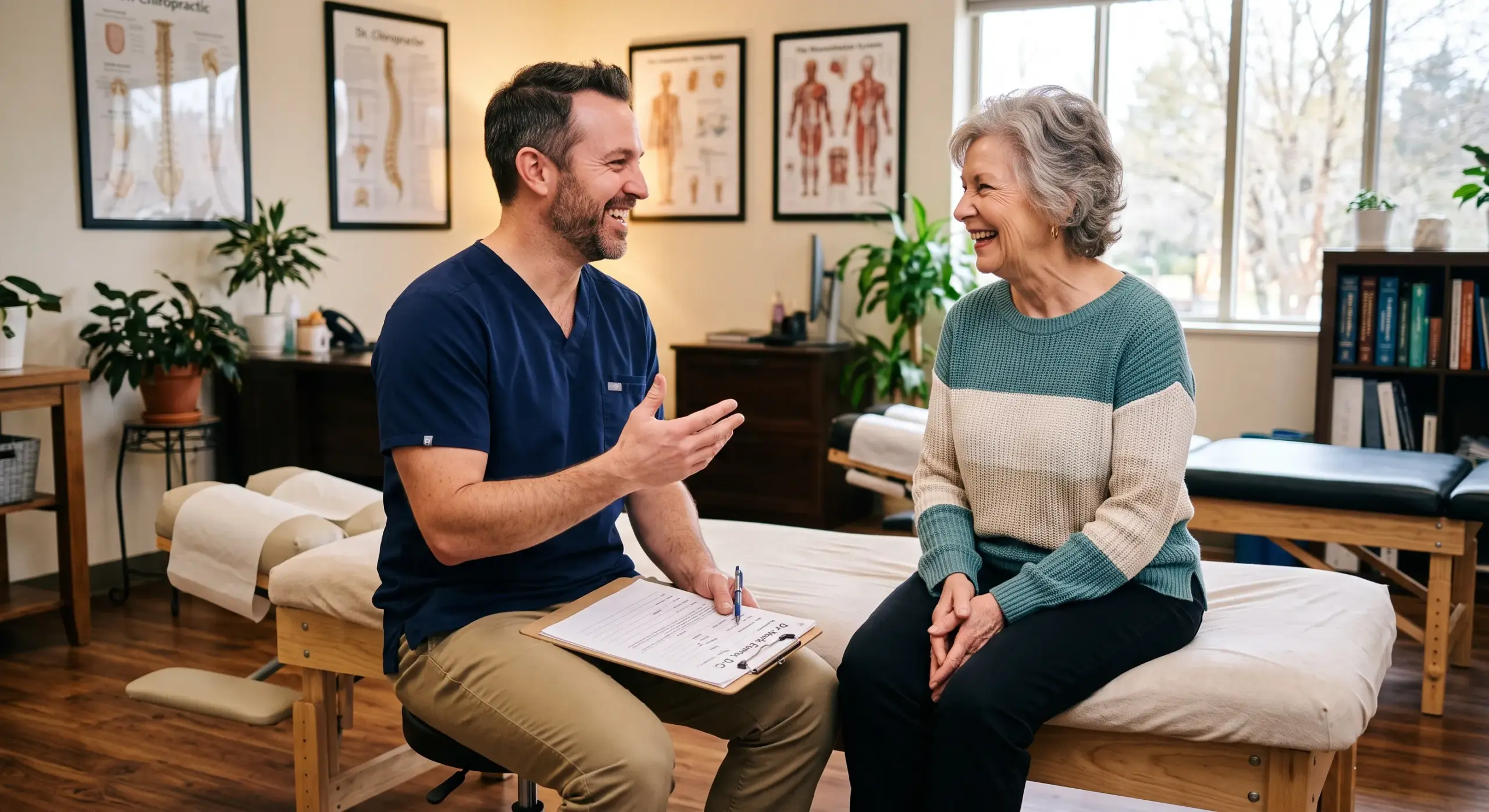
Author: Dr. Matthew Cooper, DC. L.Ac
At some point in our adult lives we all begin to think about taking better care of our health. For mostadults this begins somewhere in our 30s as we see our parents aging. It can be scary to see our parents begin to have health concerns like arthritis, diabetes or blood pressure issues. It seems inevitable that we would begin to wonder -how do I avoid these concerns as we age. What steps can I take now to prevent future health concerns and what can I do to insure I am able to enjoy my golden years.
Fortunately, there has never been a better time to address healthy aging. The information and resources available to folks who want to take better care of their health has never been more abundant or well researched. The flip side is that the older population falls victim to sham product and false claims more than any other group. Hopefully we can shed some light on how to begin to address these and other
issues surrounding healthy aging.
The first thing most people think of is exercise. More is better, right? More intense is better, Right? Not according to the research. Most adults over 45 benefit most from 20-30 minutes of heart healthy exercise daily. Walking is the best for this. Running often causes undue strain on hips, knees and ankles. This can lead to injuries like strains and even fractures. Walking in the morning before breakfast can help to set your metabolism up to burn fat all day. Stretch lightly after the walk for maximum benefit.Riding a bicycle –either stationary or a road bike- can be great heart health exercise but it does not replace the benefits of a good walk.
Maintaining health functional muscle mass is one of the best predictors of longevity. Light resistance training that elevates your heart rate to between 130 and 150 bpm for 20 -30 minutes is a must! Using resistance bands or light hand weights is best for this type of training. Focus on your legs, Glutes (Butt muscles) and upper back muscles. These muscles are important for mobility and proper posture. They are also the muscle groups that weaken the most when not used. Most modern gyms have a wide selection of machines and equipment to suit your needs. Ask a trainer or gym worker to demonstrate the proper use of equipment to prevent injury and maximize your benefits from resistance training.DON’T over train! Most adults over the age of 45 need only 2-3 resistance training sessions per week.Focus on functional movements and mobility rather than building big muscles or lifting heavy weights.
Pay careful attention to your food intake. Most older adults and seniors don’t eat correctly to support their bodies and brains. Protein and healthy fat are the 2 most important components of an aging persons diet. 1 gram of protein per pound of body weight has been a guideline for years but this may be too much protein for your body to absorb at first, particularly if you are sedentary and not active all day.Work up your activity levels and your protein intake a little at a time. Consume a high quality whey or plant based protein like pea protein. Most are available in powder form and are easily mixed into water of low fat milk. Fruit or peanut butter can be added for a tasty smoothie each day. Eat foods like boiled eggs, lead meat, Turkey and whitefish. Shellfish is also a good source of protein but can be expensive and trigger some food sensitivity or allergies. Plan your meals out in advance and make sure you are eating at least three meals a day along with 1-2 snacks.
Avoid fast food or overly processed foods. Avoid empty calories and processed sugar. Also avoid sugar substitutes like aspartame and sorbitol. These sweeteners have toxic effects in most mammals and should be avoided. Almost anything in a box or can or pre-packaged container will have hidden sugar and other flavorings or preservatives. These foods are packaged this wat to make them convenient, but they come at a cost. Think of these as “Fast Food Groceries”. Avoid them if at all possible.
Many of my older patients take a multi-vitamin as one strategy to stay healthy. Finding a quality supplement can be a bit tricky, however. Most mass produced supplements are made with the cheapest ingredients in order to keep costs down. This includes substances that may contain a nutrient but it is not going to be absorbed when you take the supplement. The FDA regulates the vitamin industry but only at a superficial level. Avoid the big box stores and name brands that fill the shelves of big retail stores. These are often cheaply manufactured and don’t present the body with vitamins and minerals that can be used efficiently by the body. Without absorption vitamins are a waste of money and lead to a false sense of security. Try a smaller nutrition store and brands like Now Foods. They are an industry leader in high quality affordable supplements. Also, DO NOT buy your supplements from Amazon or other online retailers. There are too many fraudulent knock-offs around to risk the online supplements.
Quality sleep should be a priority. This one factor may be the biggest predictor of longevity and health aging. At night our bodies repair and recover but our brains also require the down time to insure proper functioning of the nervous system. Many seniors have difficulty sleeping soundly through the night. As health problems accumulate restful sleep becomes more and more difficult. Sore joints and muscle along with frequent trips to the bathroom at night make it very difficult to sleep the recommended 8 hours per night. A 20-30 minute nap in the middle of the day can be very beneficial. Also, a good bedtime routine is important. Stay off your phones and I-pads 30 minutes before bed. Read a book (the thing with pages). Stretch before bedtime to sleep more soundly and wake up less sore.
Keep the brain sharp by doing puzzles, brain teasers and card games that involve memory. Keeping the brain active ensures healthy brain function. Make weekly food menus or plan a garden. Take up a hobby like painting or learn an instrument. These types of creative activities keep neural connections fresh and intact and even help build new connections. Keep up with family and friends by talking on the phone, writing letters or paying folks a visit. Human interaction is one of the most important things we can maintain as we age. Not only to maintain a connection with others but to make ourselves important in others lives. Take on acts of service. Your church, local community center, the public library or just your favorite diner are all great places for adults get together to interact.
Assemble a healthcare team that addresses all your needs. Like the Avengers, each of these team members has a unique skill set. General Doctor (GP or family ), Orthopedist, Dentist, Chiropractor, Acupuncturist, personal trainer, Massage therapist and A PT (if injury or post-surgical rehab is needed.) Other doctors such as a dermatologist and/or nutritionist can be helpful to have a good relationship with. Find practitioners who line up with your health goals and listens when you have questions or concerns. A mixture of holistic and medical practitioners is best.
If there is one thing we can all guarantee…it is that time will pass and we will get older. Taking active steps to ensure that you are getting the most from your body and brain is one of the most important things you can do as an adult. Start today and change one thing…the next day change another until after some time passes you have changed your habits and replaced them with better ones. Remember it is a journey and every journey begins with the first step. Call our office today and schedule with one of our Doctors or therapists to continue your journey towards health adult years.